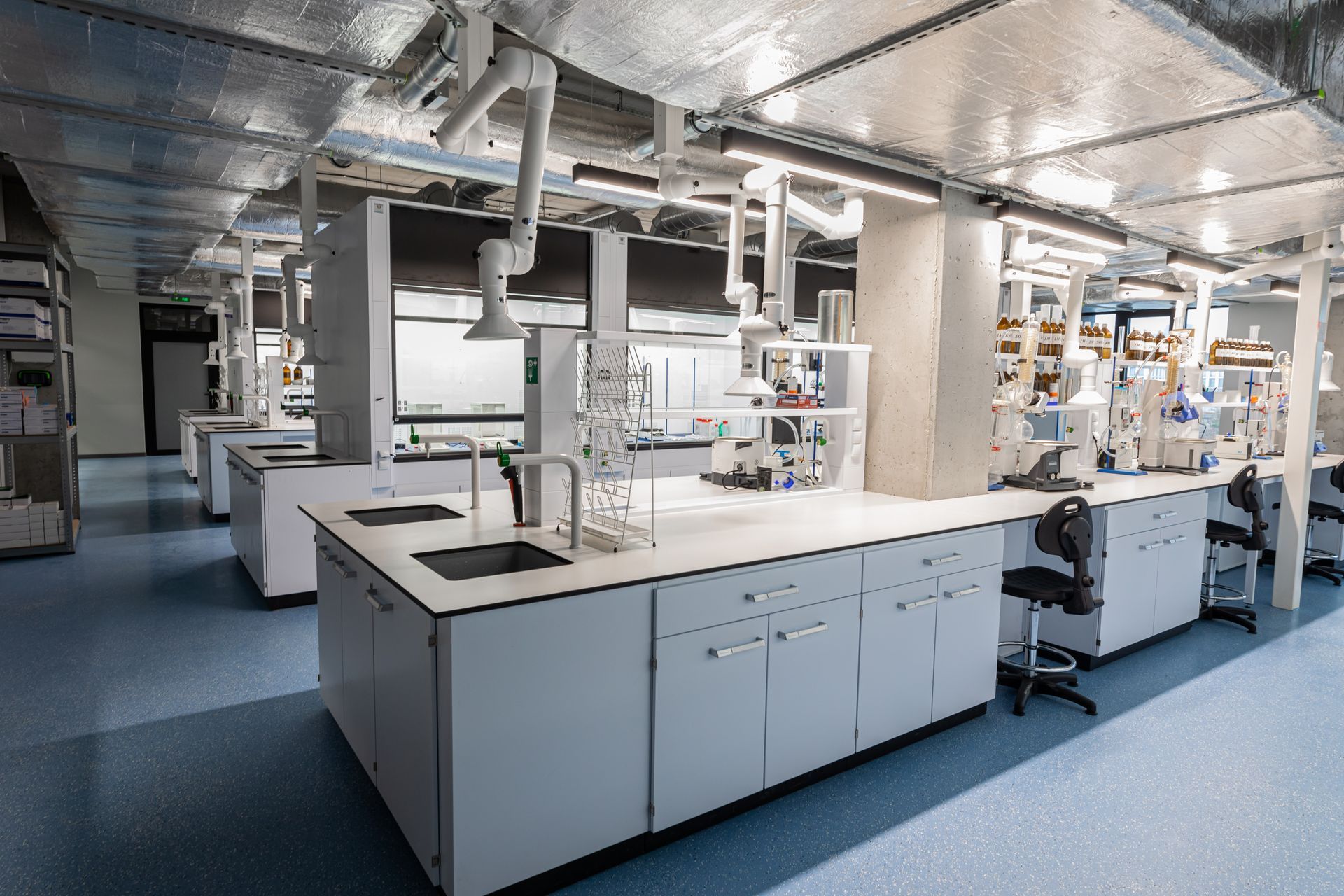
Overbrook Support Operational Training

To ensure a product is safe and meets its intended use, method validation, and instrument qualifications are necessary. Qualifications (IQ/OQ/PQ) provide a systematic approach to confirming that each instrument is proven to be accurate and precise. This process should be both scientifically strict, but also straightforward and repeatable.

For instrumentation to be properly qualified, there are a lot of things to consider. The performance of the asset needs to be comprehensively evaluated, while not keeping it out of operation for too long. While the development and implementation of standard operating procedures can be intimidating, a trusted professional service provider partner such as Overbrook, can develop a comprehensive and quick qualification standard for your instruments.

Overbrook Support Services offer integrated maintenance and qualification services. With an innovative, multi-platform, harmonized analytical instrumentation model, your current protocols, can be utilized or qualification documentation can be customized to ensure your instrumentation’s performance and data is proven to be accurate and precise. Trust your instrumentation qualification needs to a skilled, experienced team, and get the peace of mind you need to continue your everyday operations.

Overbrook Support Services conducts Integrated Maintenance and Qualifications for big pharma, smaller biotech, cannabis testing and pharmaceutical firms. This maintenance contract features Periodic Maintenance (PM) along with Operational Qualification (OQ). An innovative, multi-platform, harmonized analytical instrumentation qualification service for the makes and models of chemical analysis systems we service. The platform incorporates existing manufacturer protocols and/or client’s existing protocols and thus can be customized to fit the intended use in accordance with USP <1058>. 

This service offering is especially appealing to labs with multiple vendor (mixed) instrumentation, first time qualification of recently purchased systems, or re-qualification after repair or relocation. Installation Qualification (IQ), Operational Qualification (OQ), and Performance Qualification (PQ), and Validations. (IQ/OQ/PQ) uses one standard approach regardless of instrument manufacturer, simplifying protocol administration.

Overbrook Qualification Services Include:

Total Qualification Program (TQP}
The Overbrook Support TQP provides a choice of qualification options for both the GLP/cGMP facility and the pre-clinical laboratory. Properly trained and experienced service professionals can minimize the burden of running a productive and well-maintained laboratory.


Qualifications (IQ/OQ/PQ)

Qualifications can incorporate existing manufacturer protocol and/or client’s existing protocols and thus be customized to fit your intended use in accordance USP <1058>. Qualifications conducted by an independent outsourced service provider, rather than an employee of the company, is important to ensure compliance. Equally important is knowing the mechanics as well as the requirements of USP <1058> .


Installation Qualification (IQ) , Operational Qualification (OQ) , Performance Qualification (PQ) are requested for routine, scheduled qualification of laboratory systems, and for first time qualification of recently purchased HPLC, GC, GCMS, LCMS, LC-MS/MS. Qualifications are done routinely: after component replacement or repair, following a facility or instrument move in a GLP/cGMP facility, and when subject to inspection, audit or review.

Installation Qualification (IQ)


Documented verification that system components and support systems have been installed correctly and completely. IQ is performed In accordance with manufacturer and customer requirements, government regulations and industry standards.


Operational Qualification (OQ)

Documented verification that system components operate properly in accordance with manufacturer and customer requirements, government regulations, and industry standards. OQ establishes confidence that the components are capable of consistently operating within the established limits and tolerances required by the systems they support.


Performance Qualification (PQ)

Documented verification that the total system performs as intended. PQ establishes confidence that the system as a whole is capable of consistently performing within established limits.


With Qualifications by Overbrook Support Services, instrumentation data has integrity, in accordance with manufacturer, customer, government regulatory and industry standards. That’s why some clients have us perform Qualifications on a semi-annual basis. Qualifications assure that general system operations function correctly, audit trails capture correct information, and so on. 

CONTACT OVERBROOK

Qualifications by Overbrook Support Services allow clients to:

  • Reduce operational costs
  • Minimize protocol administration burdens
  • Maintain control with traceability and streamlined support through one service provider. (Traceable calibration of measurement tools, traceable chemical reference standards and standard operating procedures (SOP) are included.)
Sometimes during a Qualification, an instrument fails. In this case, real time failure resolution may be performed by the service engineer on site

Juggling is for Circuses.
Are you focusing on too many things and not on your science?
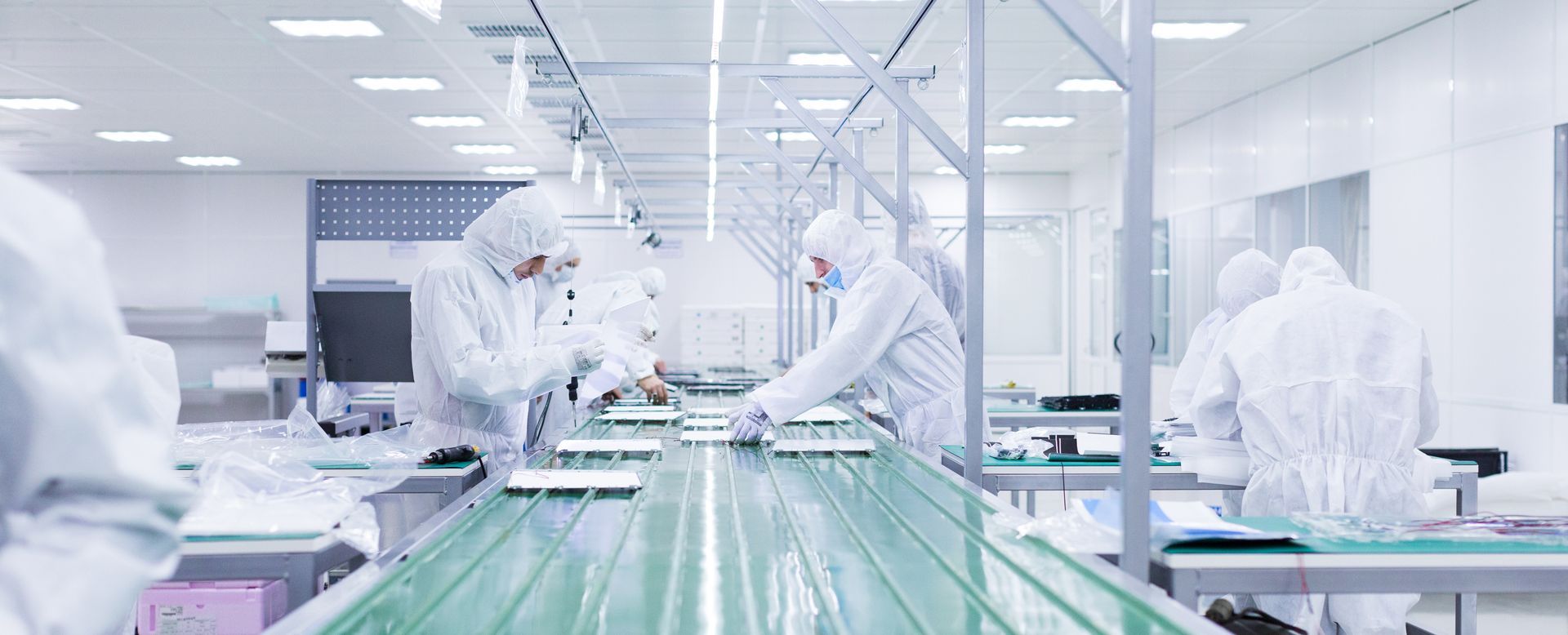
By Ted Palashis June 19, 2026
Cambridge is one of the most active life sciences hubs in the world. Driven by Kendall Square, MIT, Harvard, and hundreds of biotech trailblazers, the market is constantly evolving. For organizations expanding or consolidating, executing seamless lab relocation services in Cambridge is critical to maintaining a competitive edge. However, moving a laboratory in this historic, high-density market presents unique hurdles that standard commercial movers simply cannot handle. Why are Lab Relocations Unique in Cambridge? Unlike suburban research parks, Cambridge laboratories operate under tight spatial and regulatory constraints. Navigating laboratory relocation services in the Kendall Square and Greater Boston area requires managing specific urban logistical challenges: High-Density Logistics: Densely populated buildings with limited loading dock access and strict freight elevator schedules. Complex Stakeholder Alignment: Relocations require coordinated efforts among laboratory personnel, facility managers, specialized vendors, property owners, and municipal contractors. Strict Compliance & Infrastructure: Meeting rigid Cambridge bio-safety guidelines while integrating with shared building infrastructure (such as centralized vacuum or RO/DI water systems). The Golden Rule: Research Cannot Stop During a Lab Move Most life science organizations must migrate while research programs remain fully active. Project deadlines do not pause, and maintaining scientific productivity throughout the transition is paramount. "Many organizations compare laboratory relocations to changing the wheels on a moving car," says Ted Palashis , Founder of Overbrook Support Services. "Research doesn’t stop just because the physical space is changing. The true metric of success is how effectively you maintain scientific continuity, protect sample integrity, and minimize operational downtime." Key Steps for Successful Laboratory Equipment Planning The most common relocation bottlenecks occur after the equipment arrives at the new facility. Misaligned utilities or unverified clearances can stall a project for weeks. To prevent these delays, a specialized lab move requires a meticulous three-step asset assessment: Comprehensive Asset Audits : Conducting physical lab asset audits allows you to document every instrument, its current operational state, and its specific transport requirements (e.g., climate control, shock sensitivity). Utility Verification: Confirming that the new facility’s electrical, gas, data, and ventilation outputs precisely match manufacturer specifications. Addressing these details early prevents arriving at the new facility only to find misaligned utilities or unverified clearances that can stall a project for weeks. Spatial Workflow Mapping: Validating physical clearances (doorways, hallways, elevator capacities) and planning equipment placement. Utilizing precise spatial workflow mapping ensures that the layout optimizes daily laboratory operations from day one. Evaluating Facility Readiness Before Equipment Installation A laboratory may look complete from a construction standpoint yet be entirely unprepared for actual scientific operations. Before a single instrument is installed, specialized lab relocation services must verify that the facility is functionally operational. Coordinating an integrated laboratory fit-out ensures that utility capacities, service access, and vendor timelines are perfectly aligned before equipment arrives. This includes testing backup power systems, verifying gas line purities, checking HVAC air exchange rates, and ensuring that environmental monitoring systems are fully online. Addressing these infrastructure requirements early prevents costly startup delays. Comprehensive Lab Relocation Services for Cambridge Biotech The success of a Cambridge laboratory move is entirely defined by the strategy built before moving day. Organizations that invest in early equipment planning experience significantly less downtime and a much faster return to scientific discovery. A specialized lab moving checklist includes: Pre-move asset tagging and validation OEM vendor coordination for specialized instrument decommissioning/re-commissioning Chain-of-custody transport for sensitive biological samples and chemical reagents Post-move calibration and validation support At Overbrook Support Services , we provide tailored lab relocation services in Cambridge and the Greater Boston area. Our team focuses on continuity, compliance, and operational success, ensuring your science moves forward without interruption. For deeper insights into successful lab relocations and complex transitions, you might find this biotechnology enterprise course webcast with Ted Palashis highly relevant, as it features Overbrook's founder discussing real-world strategies for avoiding costly relocation mistakes .
Laboratory professional reviewing quality management and compliance
By Ted Palashis June 16, 2026
Learn how a robust Laboratory Quality Management System (QMS) helps laboratories improve compliance, reduce audit stress, strengthen documentation control, and support long-term operational growth.
Core components of a lab QMS integrated into daily laboratory operation
By Ted Palashis February 27, 2026
Understanding the core components of a Laboratory Quality Management System helps labs maintain compliance, audit readiness, and operational consistency across documentation, training, and equipment.
Show More