
Overbrook Blog
Advice, recommendations, information
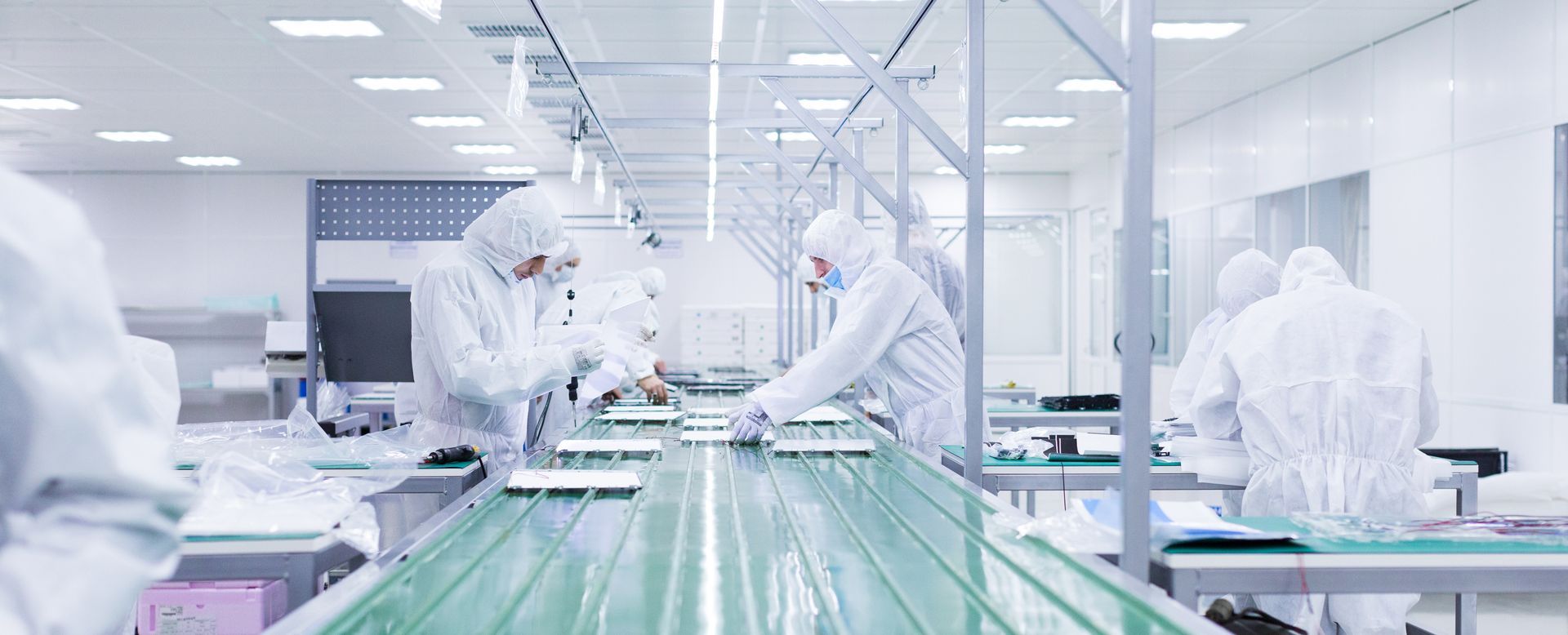
Should you expand, relocate, or consolidate your laboratory? Explore the key factors that can help determine the right path for your scientific operations.
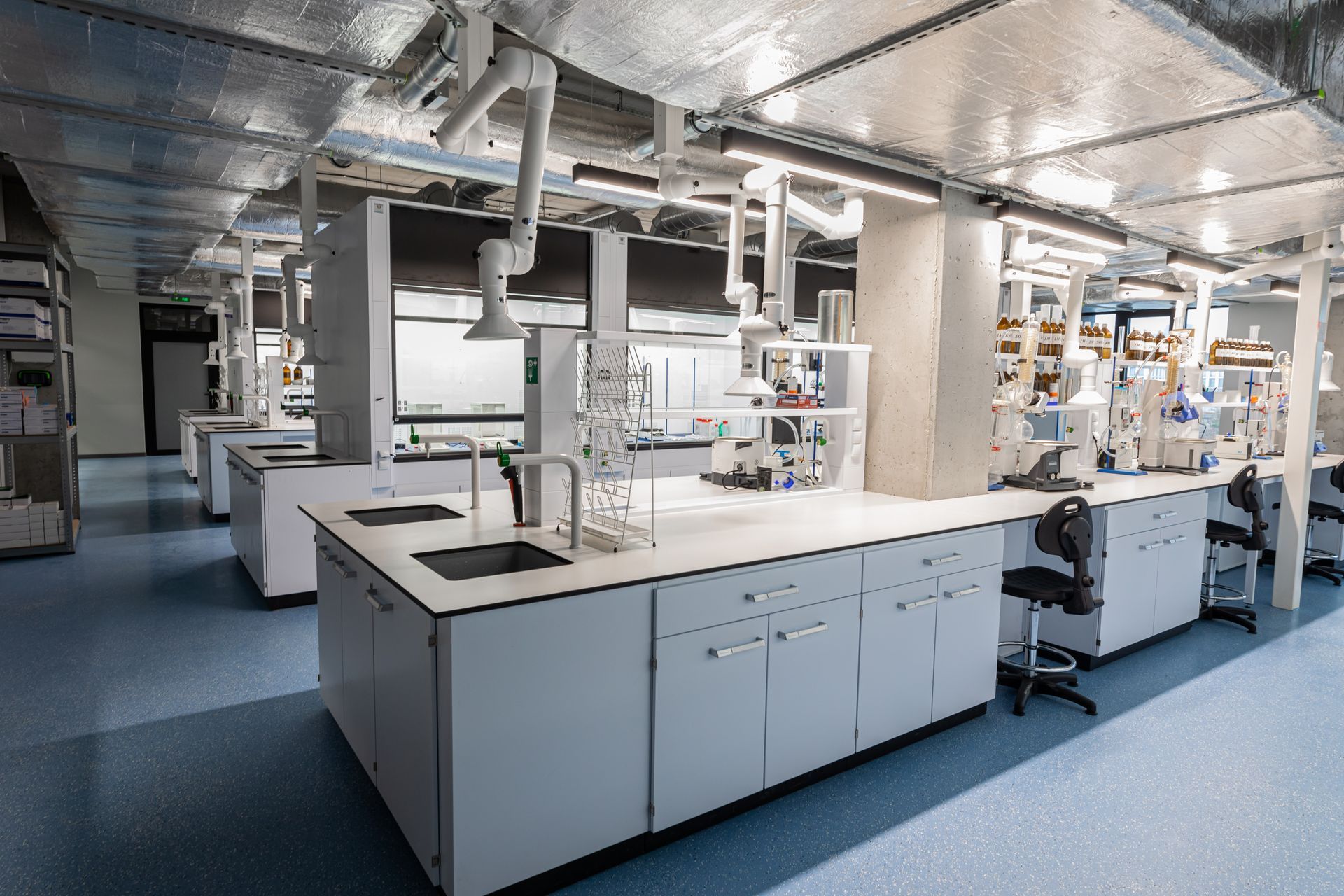
Considering a new laboratory space? Know what to evaluate before signing a lease, from equipment and infrastructure to workflows and future growth.

Learn how strategic lab relocation planning in Cambridge, Boston, and beyond can minimize disruption, protect valuable assets, and maintain scientific continuity.

Learn how a robust Laboratory Quality Management System (QMS) helps laboratories improve compliance, reduce audit stress, strengthen documentation control, and support long-term operational growth.

Understanding the core components of a Laboratory Quality Management System helps labs maintain compliance, audit readiness, and operational consistency across documentation, training, and equipment.

Implementing a Laboratory Quality Management System at the right time helps laboratories reduce compliance risk, support growth, and maintain audit readiness. Learn when QMS implementation makes sense.

Learn how specialist led equipment sourcing and procurement supports successful lab fit outs by aligning equipment, infrastructure, timelines, and long term operations.

In laboratory design and relocation projects, test fits and fit-outs play different roles in how a lab ultimately comes together. A test fit helps confirm whether equipment can function within a given space, while a fit-out focuses on supplying, relocating, and installing laboratory instrumentation once feasibility has

Laboratory test fits require more than project management. Instrumentation expertise determines whether utilities, workflows, and equipment function as designed.

When lab planning lacks detailed technical validation, hidden issues emerge later and disrupt schedules. These early disruptions can delay equipment commissioning, disrupt workflows, and jeopardize research outcomes.

When future needs are not considered early, design decisions can limit what a lab can support later. A thorough laboratory test fit prevents these issues by evaluating how equipment, workflows, and utilities function today while preparing the space for tomorrow’s technology and expansion.
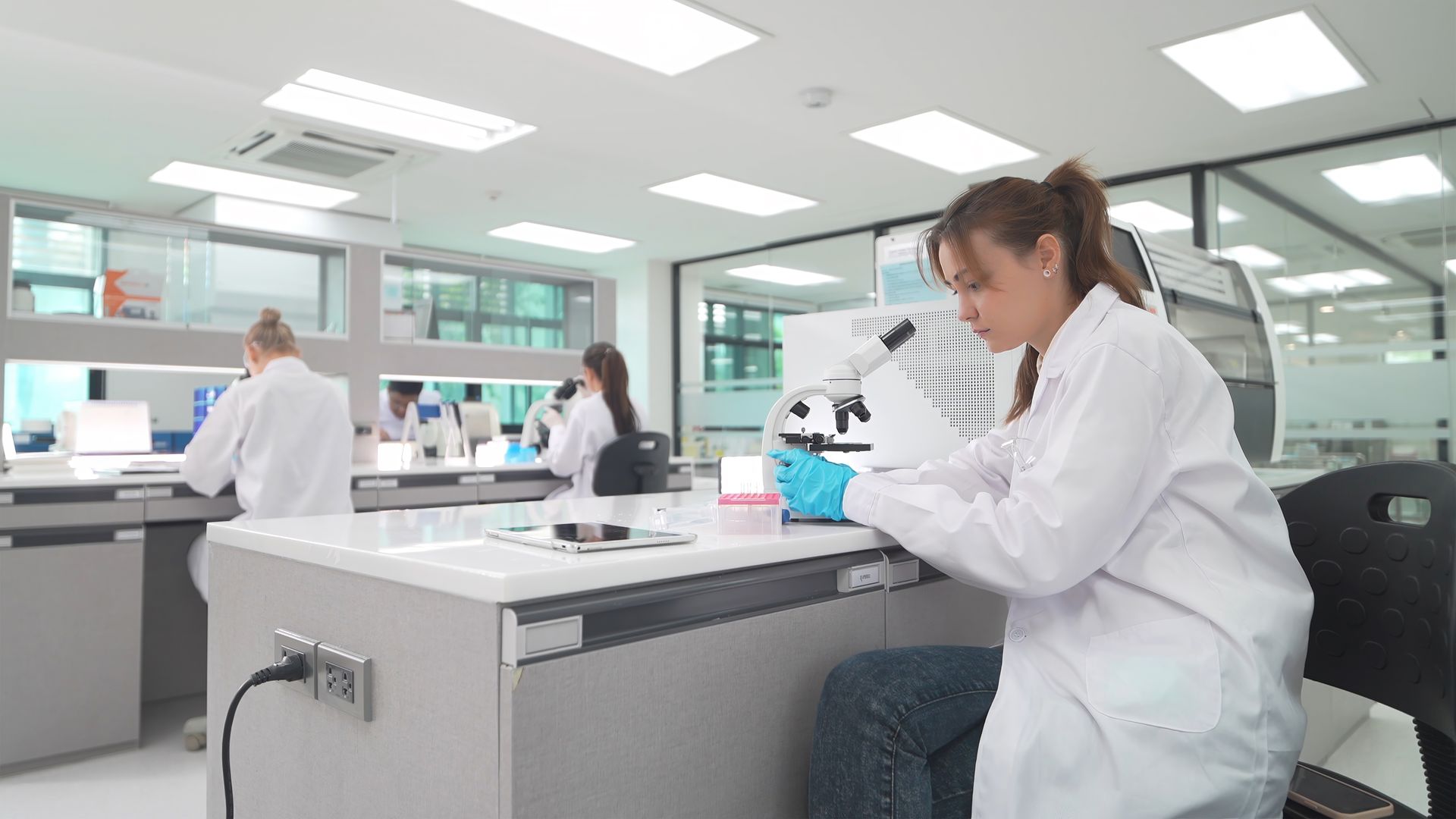
Effective laboratory design starts with test fit planning. See how Overbrook Support Services translates scientific workflows into practical, high-performance spaces.
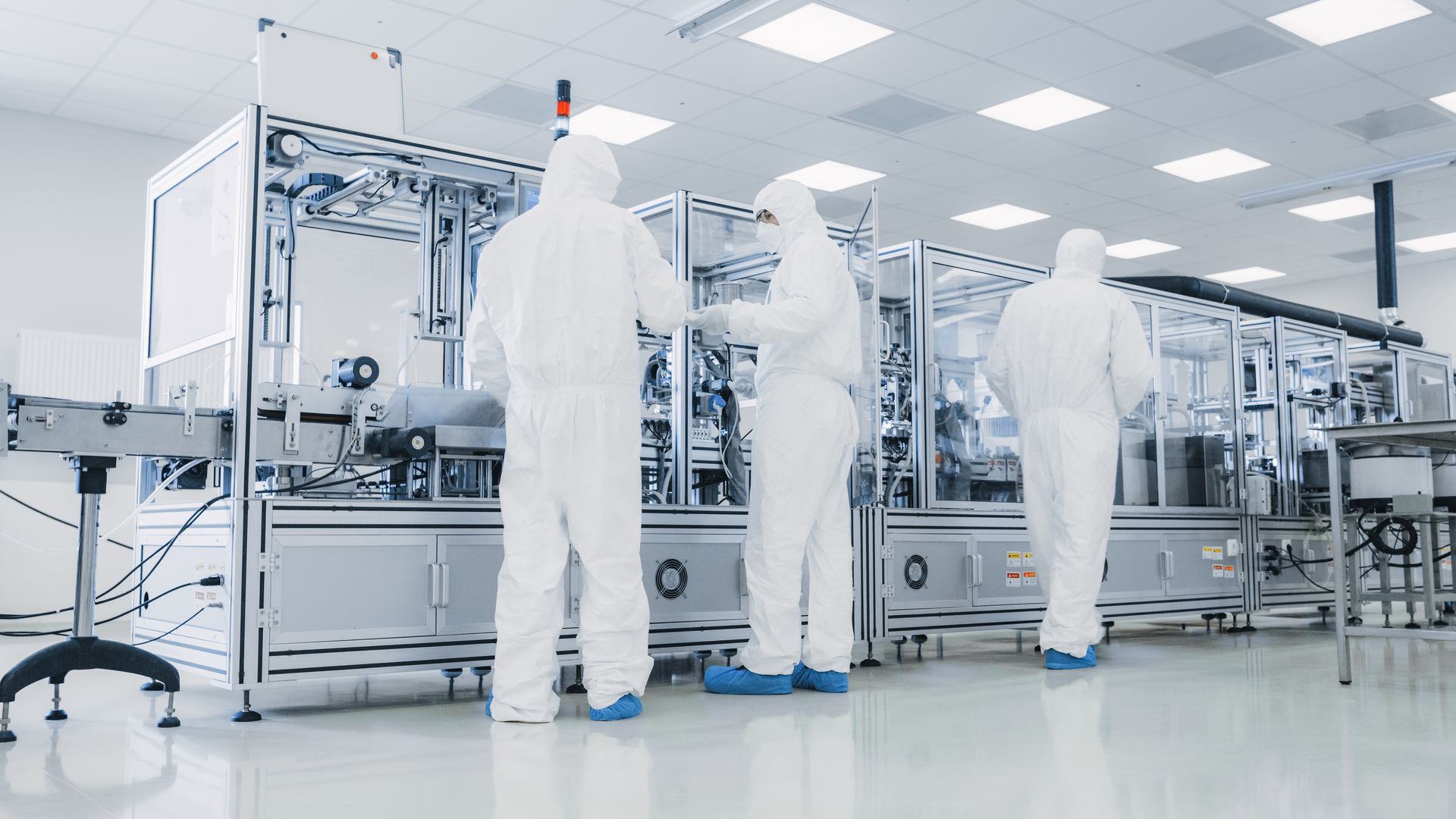
Early lab equipment planning prevents costly redesigns, delays, and inefficiencies. Learn how Overbrook Support Services helps architects and lab managers design labs that work from day one.

Lab relocation services require expert planning to minimize downtime and protect your research. See how Overbrook delivers seamless moves

Lab relocation services require more than moving equipment. They need a clear understanding of lab operations, team roles, and workflow continuity.

Discover how proper budgeting and cost management can ensure a smooth lab relocation. Learn key cost factors, planning tips, and how expert coordination minimizes risk and delays.

Lab relocations are complex—avoid costly mistakes with expert planning and coordination. Overbrook Support Services ensures a smooth, efficient move. Learn more

Poorly planned lab relocations can increase costs, disrupt operations, and delay critical research. Discover why technical expertise is essential for a smooth, efficient, and risk-free transition

Effective communication is crucial due to the complexity and time-sensitive nature of these relocations, especially since labs must continue their research and testing during the transition.

Attention to detail is critical to avoiding costly errors and delays for lab relocation. Successful lab relocations rest on four pillars: Communication Management, Laboratory Operations, the Relocation Plan, and Move Management and Execution.