
Overbrook Support Operational Training
OUR CLIENTS
Quest Diognostics
Pharmasol
CoNCERT

Aspenti health
Tarveda

Dr. Reddy's

RTI International
Genzyme
Blend Therapeutics

Abbott
Harvard University
Massachusetts Institute of Technology
Test America

Sunkist
Boston university
Phenomenex

USGS
Pioneer
Schwabe
Pfizer
Translate bio
Amgen

USPS
What Makes Overbrook Training Unique:
Individualization
- Training conducted on your instrumentation.
- Training conducted at your site with small class size.
- Training includes your method implementation.
Hands on experience
- Training includes hands on training on your instrument so what’s learned doesn’t have to be transferred to another instrument.
- Questions in real time can be answered directly regarding your actual method and instrument.
Cost and Efficiency
- Training will be conducted on site without the need to travel out of state, incurring additional travel and accommodation costs.
- Substantial time and cost savings as on-site training eliminates the need for staff to be out of the lab.
Overbrook Experience
- Training will be conducted by qualified and certified field engineers with chemistry backgrounds and many years of experience in the field and in the lab.
Post training Support
- Trainer access after the training to answer questions promptly and directly regarding your instrument and methods.
Juggling is for Circuses.Are you focusing on too many things and not on your science?
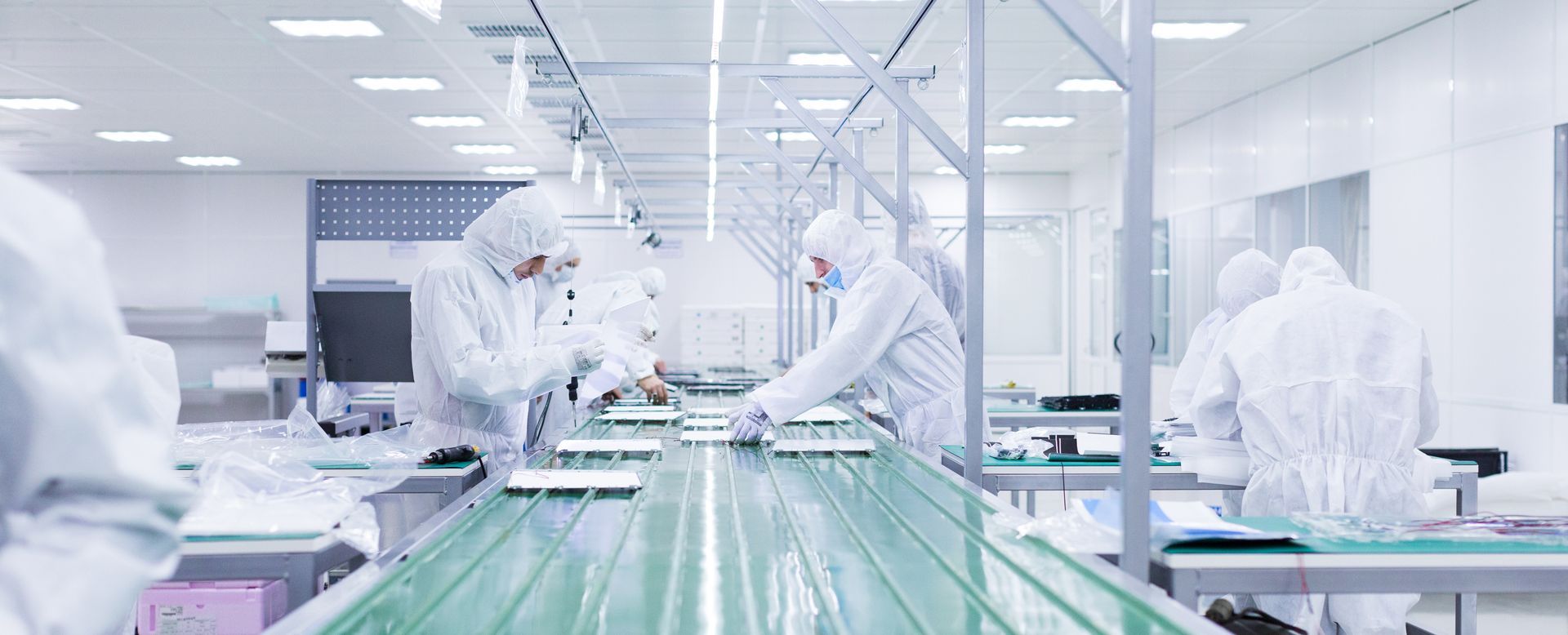
Should you expand, relocate, or consolidate your laboratory? Explore the key factors that can help determine the right path for your scientific operations.
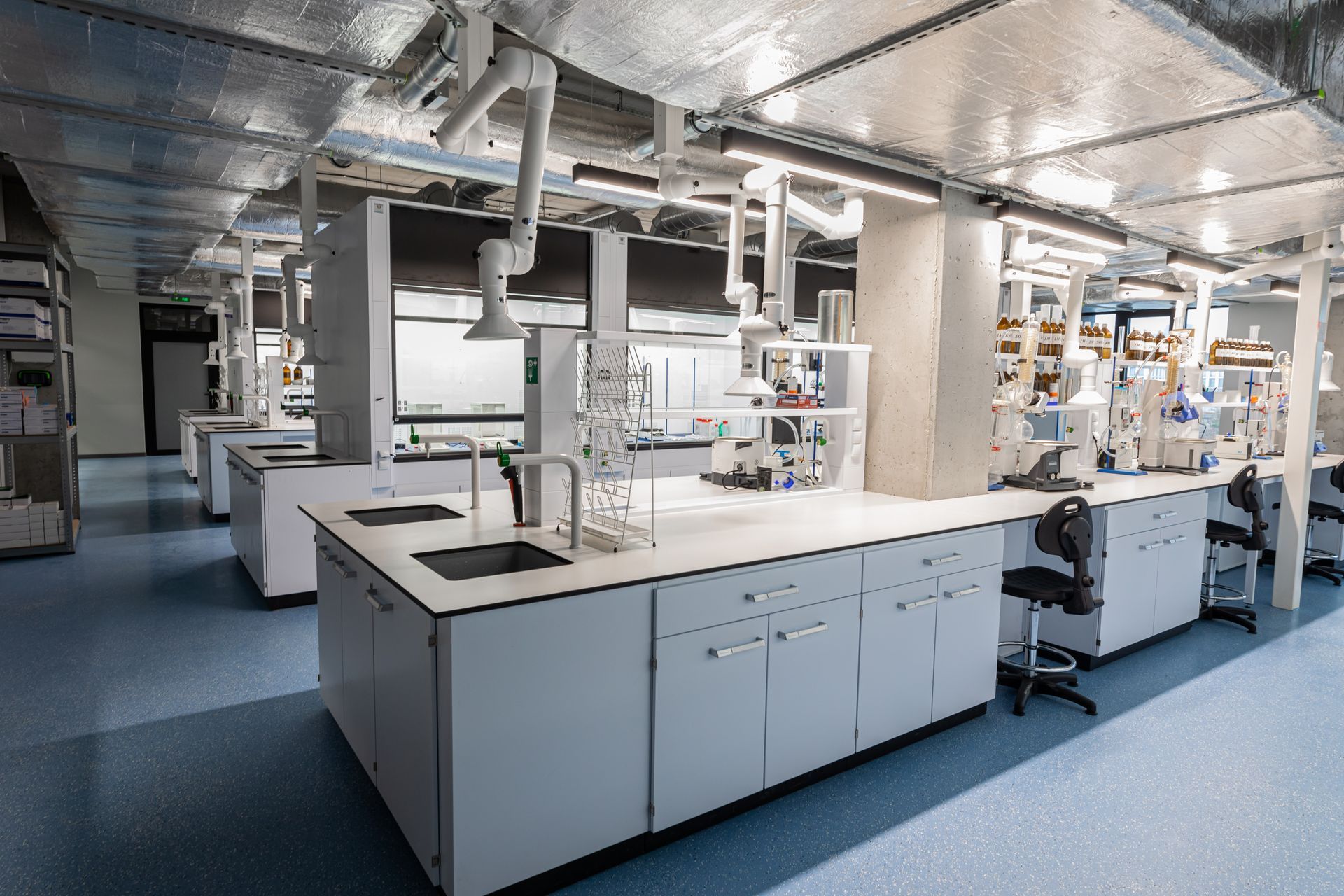
Considering a new laboratory space? Know what to evaluate before signing a lease, from equipment and infrastructure to workflows and future growth.

Cambridge is one of the most active life sciences hubs in the world. Driven by Kendall Square, MIT, Harvard, and hundreds of biotech trailblazers, the market is constantly evolving. For organizations expanding or consolidating, executing seamless lab relocation services in Cambridge is critical to maintaining a competitive edge. However, moving a laboratory in this historic, high-density market presents unique hurdles that standard commercial movers simply cannot handle. Why are Lab Relocations Unique in Cambridge? Unlike suburban research parks, Cambridge laboratories operate under tight spatial and regulatory constraints. Navigating laboratory relocation services in the Kendall Square and Greater Boston area requires managing specific urban logistical challenges: High-Density Logistics: Densely populated buildings with limited loading dock access and strict freight elevator schedules. Complex Stakeholder Alignment: Relocations require coordinated efforts among laboratory personnel, facility managers, specialized vendors, property owners, and municipal contractors. Strict Compliance & Infrastructure: Meeting rigid Cambridge bio-safety guidelines while integrating with shared building infrastructure (such as centralized vacuum or RO/DI water systems). The Golden Rule: Research Cannot Stop During a Lab Move Most life science organizations must migrate while research programs remain fully active. Project deadlines do not pause, and maintaining scientific productivity throughout the transition is paramount. "Many organizations compare laboratory relocations to changing the wheels on a moving car," says Ted Palashis , Founder of Overbrook Support Services. "Research doesn’t stop just because the physical space is changing. The true metric of success is how effectively you maintain scientific continuity, protect sample integrity, and minimize operational downtime." Key Steps for Successful Laboratory Equipment Planning The most common relocation bottlenecks occur after the equipment arrives at the new facility. Misaligned utilities or unverified clearances can stall a project for weeks. To prevent these delays, a specialized lab move requires a meticulous three-step asset assessment: Comprehensive Asset Audits : Conducting physical lab asset audits allows you to document every instrument, its current operational state, and its specific transport requirements (e.g., climate control, shock sensitivity). Utility Verification: Confirming that the new facility’s electrical, gas, data, and ventilation outputs precisely match manufacturer specifications. Addressing these details early prevents arriving at the new facility only to find misaligned utilities or unverified clearances that can stall a project for weeks. Spatial Workflow Mapping: Validating physical clearances (doorways, hallways, elevator capacities) and planning equipment placement. Utilizing precise spatial workflow mapping ensures that the layout optimizes daily laboratory operations from day one. Evaluating Facility Readiness Before Equipment Installation A laboratory may look complete from a construction standpoint yet be entirely unprepared for actual scientific operations. Before a single instrument is installed, specialized lab relocation services must verify that the facility is functionally operational. Coordinating an integrated laboratory fit-out ensures that utility capacities, service access, and vendor timelines are perfectly aligned before equipment arrives. This includes testing backup power systems, verifying gas line purities, checking HVAC air exchange rates, and ensuring that environmental monitoring systems are fully online. Addressing these infrastructure requirements early prevents costly startup delays. Comprehensive Lab Relocation Services for Cambridge Biotech The success of a Cambridge laboratory move is entirely defined by the strategy built before moving day. Organizations that invest in early equipment planning experience significantly less downtime and a much faster return to scientific discovery. A specialized lab moving checklist includes: Pre-move asset tagging and validation OEM vendor coordination for specialized instrument decommissioning/re-commissioning Chain-of-custody transport for sensitive biological samples and chemical reagents Post-move calibration and validation support At Overbrook Support Services , we provide tailored lab relocation services in Cambridge and the Greater Boston area. Our team focuses on continuity, compliance, and operational success, ensuring your science moves forward without interruption. For deeper insights into successful lab relocations and complex transitions, you might find this biotechnology enterprise course webcast with Ted Palashis highly relevant, as it features Overbrook's founder discussing real-world strategies for avoiding costly relocation mistakes .